

Putting Your Family History Where It Can Be Found
Suggested Reading: Part 7: Make It Findable — Chapters 27, 28, and 29
Overview:
Here is where the proverbial rubber meets the road.
Taking the time to put our written work—the history our descendants and future researchers will be looking for—into a place designed to outlast us is the difference between lost and found family history.
We’d all love to believe that the websites, apps, or platforms we use today will still be around in twenty, thirty, or fifty years. But the truth is, the internet changes constantly. Think about how much it has evolved just in the past five years! Because we can’t count on today’s platforms being here tomorrow, making sure our family history remains findable is key. So, what can we do?
We could always print our stories and tuck them away in a filing cabinet. But who will actually see them? Even if a responsible family member saves that file, only a handful of people might ever read it. And when they pass, the responsibility falls to the next generation, who might not share our passion for the past.
But I can promise you, as someone who loves family history just as much as you do: someone out there will care. Someone you’ll probably never meet will get goosebumps reading your work. They might not be in that small circle of family members who inherited your filing cabinet decades from now, but they will want to know the stories you’ve written. That’s why making your work truly discoverable is so important.
Step one is placing your family stories in a “counter-archive”—a repository with a specific mission to preserve documents and keep them accessible.
Chapter 27 introduces the Internet Archive as a permanent home for this work. It’s a nonprofit library built to hold what might otherwise disappear, making it freely available to anyone who comes looking. Chapter 28 gives you a practical walkthrough: how to upload your files, what metadata to include, and how researchers actually search for this information. Finally, Chapter 29 explores the deeper meaning of taking this step. It’s not just about file storage; it’s a public act of placing your family’s story inside a library designed to outlast us all.
This final step in the Storyteller Project is where you ensure your family history will be found. The work that began as your private research now becomes a lasting contribution to the human record.
Prompt:
Go to the Internet Archive. Use their Instructions for opening up an account & uploading your PDF.
Once you do, I encourage you to share it with others. Let your family members know it’s there. Get it out there so more researchers (even those who are around right now) can find your family history stories. If you have Substack, you can add your Internet Archive page to your navigation bar on your publication website.
How to do that:
Dashboard
Settings (bottom left)
Scroll to Navigation Bar
Click on Add item
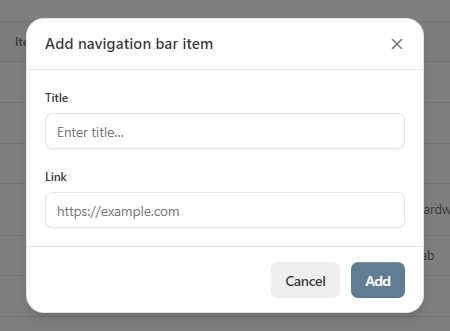
Give the page a title.
Add the URL of your Internet Archive Account. To get the link to your specific location on Internet Archive:
log into your account.
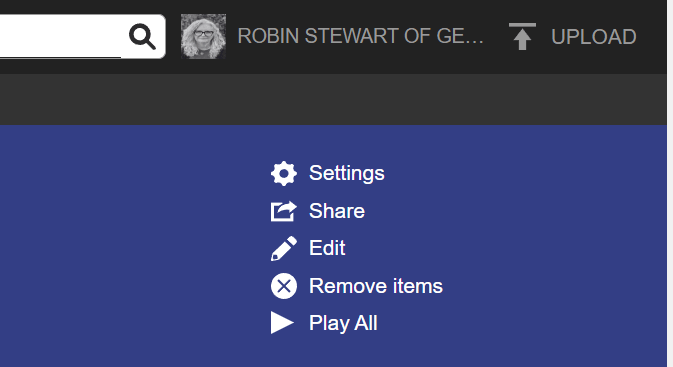
Click on your Profile in the upper right corner.
Select My Uploads.
Click on the Share button in the upper right side of the page.
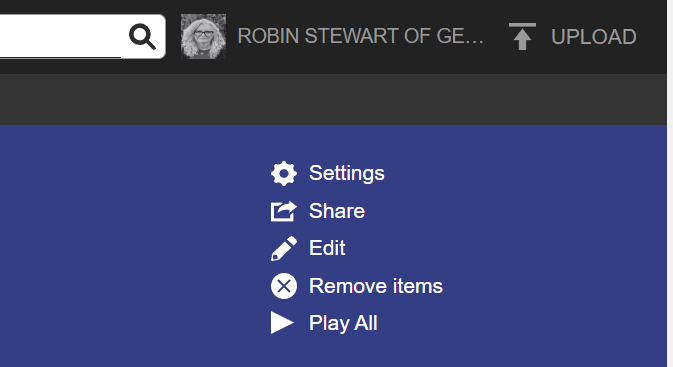
Use the URL provided to paste into your Link for the Navigation Bar on Substack.
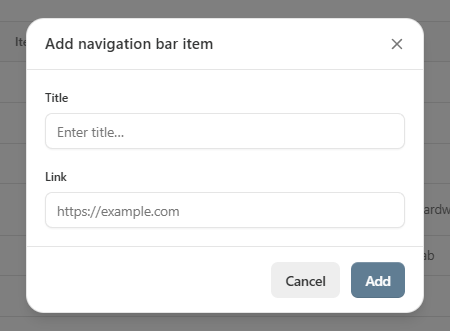
Once you have done this, you’ll see the page show up on your Substack Navigation Bar on the home page of your publication.
One Last Note:
Is all this a lot? If you’d like to submit your Family Stories to Genealogy Matters Magazine, you’re officially and cordially invited to do so. The purpose of the magazine is to provide a more permanent place for family history stories to exist. Each issue of the magazine will be added to the Internet Archive within 3 years of publication, with the express purpose of making the stories findable in the future.
Submit to Genealogy Matters Magazine:
Your family history writing, including articles previously published on Substack or your blog is eligible for submission to Genealogy Matters Magazine. Review the submission guidelines and submit to Genealogy Matters Magazine.
Get the book:
Stewardship Matters: A Storyteller’s Guide to Preserving Family History.
Get: Ebook PDF (With Paid Subscription to GenStack Coterie).
Get Paperback: Paperback (Buy on Lulu)
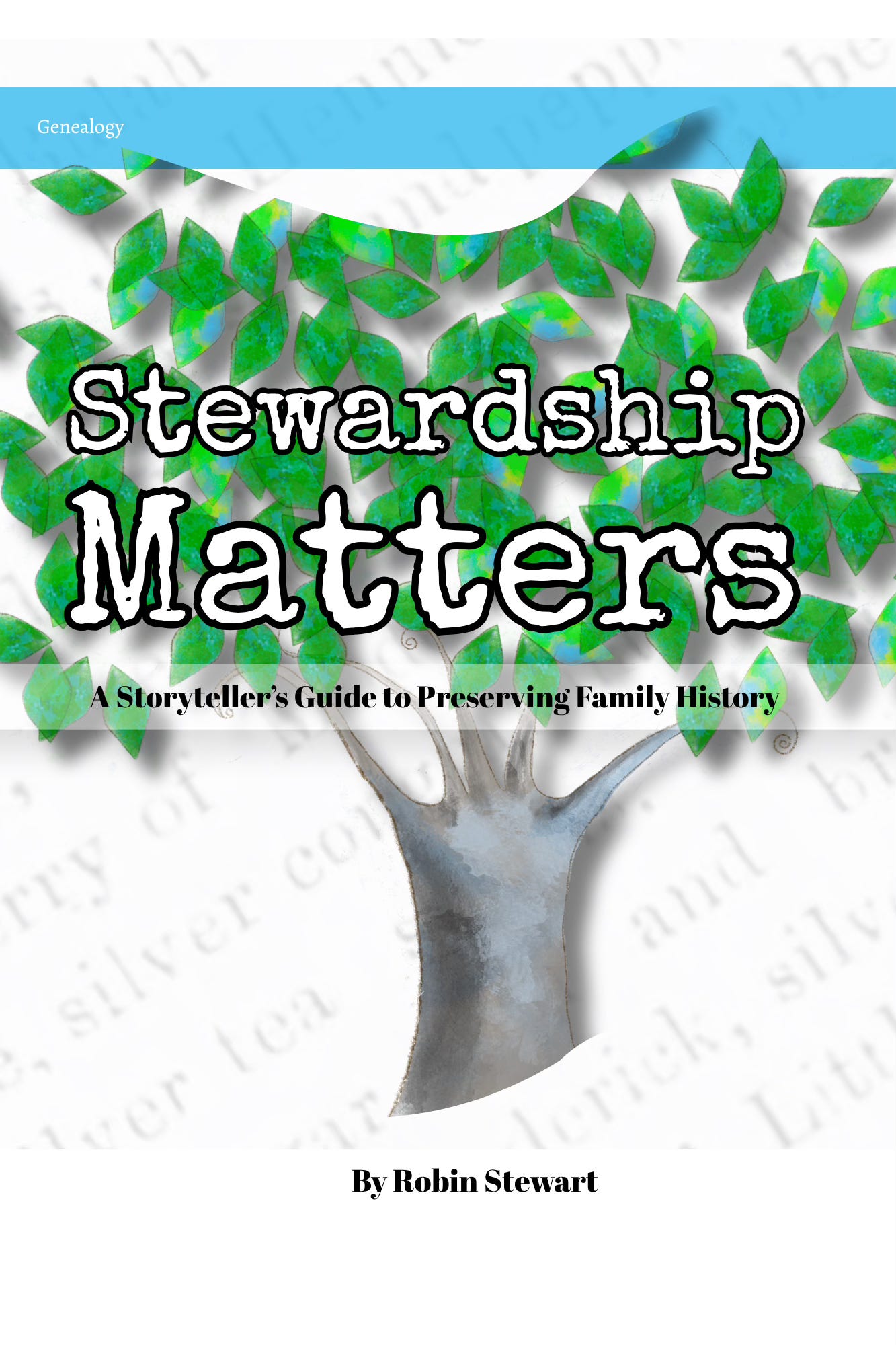
Paid subscribers to Genealogy Matters or GenStack Coterie have access to the digital version.
Years ago I published a traditional genealogy book on Lulu. I don’t recall how it got onto Google Books, but I think it was an option at the time. The result was that the book essentially became “public domain” and it massively impacted the sales. Please, if you want to recoup your investment in publishing a genealogy book, don’t let it be on Google Books.